
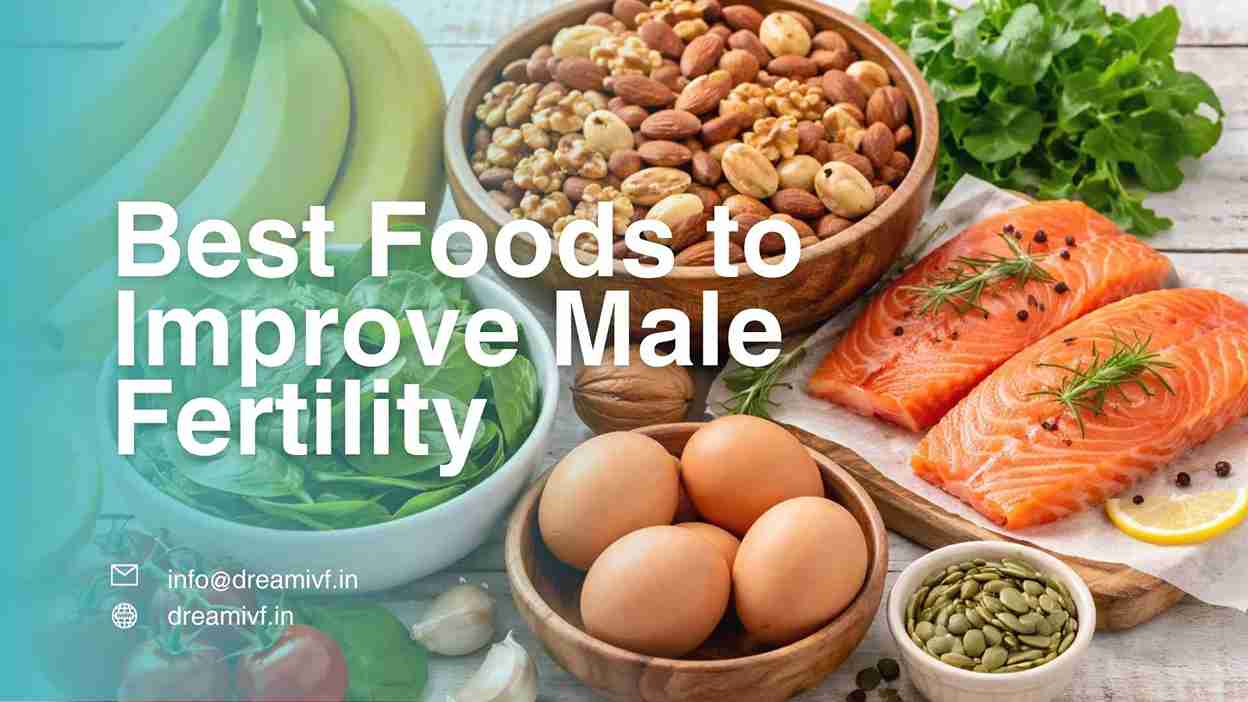
Male fertility plays a crucial role in conception. In nearly 40–50% of infertility cases, male factors such as low sperm count, poor sperm motility, and abnormal sperm morphology contribute to difficulty in achieving pregnancy. The good news is that lifestyle and nutrition can significantly influence sperm health.
Many men focus on treatments only after fertility problems appear. However, the foundation of reproductive health often begins with diet, nutrient intake, and overall lifestyle habits. Certain foods contain vitamins, minerals, antioxidants, and healthy fats that support hormone balance, sperm production, and reproductive function.
This guide explains the best foods to improve male fertility, how they work, and how to include them in your daily diet.
Understanding Male Fertility and Nutrition
Male fertility depends on several factors including:
- Sperm count
- Sperm motility (ability to swim toward the egg)
- Sperm morphology (shape and structure)
- Testosterone levels
- Overall reproductive health
Nutritional deficiencies can affect these factors. For example:
- Low zinc may reduce testosterone and sperm production
- Low vitamin C and antioxidants can increase sperm DNA damage
- Lack of omega-3 fatty acids may reduce sperm motility
A balanced fertility diet supports the body in producing healthy sperm cells.
Best Foods to Improve Male Fertility
Below are scientifically supported foods that may help improve sperm health and reproductive function.
1. Walnuts
Walnuts are one of the best foods for male fertility because they are rich in omega-3 fatty acids, antioxidants, and vitamin E.
Benefits include:
- Improve sperm motility
- Support healthy sperm morphology
- Reduce oxidative stress in reproductive cells
Studies suggest that eating a handful of walnuts daily can help improve overall sperm quality.
How to include them
- Add to oatmeal or breakfast bowls
- Eat as a daily snack
- Mix with yogurt or salads
2. Eggs
Eggs are packed with high quality protein, vitamin B12, selenium, and vitamin D, which are important for reproductive health.
Benefits include:
- Protect sperm cells from damage
- Support hormone production
- Improve sperm count and quality
Eggs also contain choline, which plays a role in cell membrane structure.
Best way to consume
Boiled or lightly cooked eggs are considered healthier than heavily fried versions.
3. Spinach and Leafy Greens
Leafy vegetables such as spinach are rich in folate, iron, magnesium, and antioxidants.
Folate is especially important because it helps in:
- Proper sperm DNA formation
- Healthy sperm production
- Reducing abnormal sperm cells
Low folate levels have been associated with poor sperm quality.
Examples of leafy greens
- Spinach
- Kale
- Broccoli
- Fenugreek leaves
4. Pumpkin Seeds
Pumpkin seeds are an excellent source of zinc, which is essential for male reproductive health.
Zinc helps in:
- Increasing testosterone levels
- Improving sperm count
- Supporting prostate health
Zinc deficiency is commonly linked to reduced fertility in men.
Daily intake suggestion
A small handful of roasted pumpkin seeds can provide a healthy zinc boost.
5. Citrus Fruits
Fruits like oranges, lemons, and grapefruit are rich in vitamin C and antioxidants.
Vitamin C helps:
- Protect sperm from oxidative stress
- Improve sperm motility
- Reduce sperm clumping
These fruits also support overall immune health.
Examples
- Oranges
- Sweet lime
- Lemons
- Grapefruit
6. Fatty Fish
Fish such as salmon, sardines, and mackerel are rich in omega-3 fatty acids and vitamin D.
Omega-3 fats support:
- Better sperm motility
- Healthy sperm structure
- Hormone balance
Men who consume omega-3 rich foods often show improved reproductive health.
7. Bananas
Bananas contain vitamin B6, vitamin C, and bromelain, an enzyme believed to support hormone regulation.
Benefits include:
- Supporting testosterone production
- Providing energy for reproductive health
- Improving libido
Bananas are also a convenient fertility-friendly snack.
8. Garlic
Garlic contains selenium and allicin, which improve blood circulation and reproductive function.
Benefits include:
- Protecting sperm from damage
- Supporting healthy sperm production
- Improving blood flow to reproductive organs
Adding garlic to daily cooking can naturally support male fertility.
9. Dark Chocolate
High-quality dark chocolate contains L-arginine and antioxidants.
L-arginine supports:
- Increased sperm count
- Improved sperm motility
However, it should be consumed in moderation because excessive sugar intake can negatively affect fertility.
10. Pomegranate
Pomegranate is known for its powerful antioxidant properties.
Benefits include:
- Reducing oxidative stress
- Improving sperm quality
- Supporting testosterone levels
Pomegranate juice or fresh seeds can be added to the diet regularly.
Nutrients That Improve Male Fertility
Besides specific foods, certain nutrients are essential for sperm health.
Zinc
Supports testosterone production and sperm formation.
Selenium
Protects sperm cells from oxidative damage.
Omega-3 Fatty Acids
Improve sperm motility and membrane structure.
Vitamin C
Reduces sperm DNA damage.
Vitamin D
Supports hormone balance and reproductive health.
Folate
Helps maintain healthy sperm DNA.
Lifestyle Tips to Improve Male Fertility
Diet alone is not enough. Fertility also depends on healthy lifestyle choices.
Maintain a Healthy Weight
Obesity can lower testosterone levels and reduce sperm quality.
Exercise Regularly
Moderate physical activity improves hormone balance and blood circulation.
Avoid Smoking
Smoking damages sperm DNA and reduces sperm count.
Limit Alcohol
Excess alcohol consumption can affect testosterone production.
Manage Stress
Chronic stress can disrupt hormone balance and reproductive function.
Foods to Avoid for Better Male Fertility
Some foods may negatively affect sperm health.
Avoid excessive consumption of:
- Processed foods
- Trans fats
- Sugary beverages
- Excess soy products
- High alcohol intake
Reducing these foods can improve overall reproductive health.
When to Seek Medical Advice
If a couple has been trying to conceive for 12 months without success, medical evaluation may be necessary.
A fertility specialist can assess:
- Sperm count
- Hormone levels
- Reproductive health conditions
For couples seeking advanced fertility care, consulting specialists at a best ivf hospital can help identify the underlying causes and provide appropriate treatment options.
Final Thoughts
Male fertility is strongly influenced by nutrition, lifestyle, and overall health. By including nutrient-rich foods such as walnuts, eggs, leafy greens, fatty fish, and citrus fruits, men can support sperm health naturally.
While dietary changes can improve reproductive wellness, persistent fertility issues should be evaluated by medical professionals. Early guidance from fertility specialists increases the chances of successful conception.
A balanced diet, active lifestyle, and timely medical support together create the best foundation for improving male fertility and achieving healthy parenthood.
Read our guide on how to improve sperm liquefaction time naturally for better results.