Pregnancy is one of the most important phases of a woman’s life. Every bite you take, every glass you drink directly affects the tiny life growing inside you. While most mothers focus on what to eat during pregnancy, an equally important question that often gets overlooked is: what should you NOT eat during pregnancy?
The wrong foods can cause miscarriage, premature birth, birth defects, foodborne illnesses, and developmental problems in your baby. This guide is written to give you a complete, medically sound, and practical list of foods to avoid during pregnancy, along with clear reasons why they are dangerous.
Whether you are in your first trimester dealing with morning sickness, your second trimester settling into a routine, or your third trimester preparing for delivery, this information applies to your entire pregnancy journey.
If you are unsure about your diet or have specific health concerns, always speak with the best gynecologist near you or the specialist managing your pregnancy. A qualified doctor can give personalized dietary guidance based on your health history and your baby’s growth.
In this guide, we cover: raw and undercooked meats, high-mercury fish, unpasteurized dairy, unsafe fruits and vegetables, harmful beverages, excess caffeine, junk foods, and much more. Read every section carefully.
Why Diet Matters So Much During Pregnancy
The placenta is not a perfect barrier. Many substances you consume cross the placenta and enter your baby’s bloodstream. Your baby’s liver, kidneys, and immune system are still developing, so they cannot process or eliminate toxins the way your adult body can.
Foodborne bacteria like Listeria and Salmonella, heavy metals like mercury, alcohol, excess caffeine, and certain natural compounds in foods can all harm fetal development. The consequences range from mild complications to life-threatening outcomes.
The first trimester is especially critical because this is when organs are forming. However, diet choices in the second and third trimesters are equally important for brain development, bone strength, immune function, and birth weight.
Think of your body as your baby’s first home. What you put into that home becomes your baby’s nourishment. Getting guidance from a qualified obstetrician or the best gynecologist in your area is one of the most important steps you can take at the start of your pregnancy.
1. Raw and Undercooked Meat
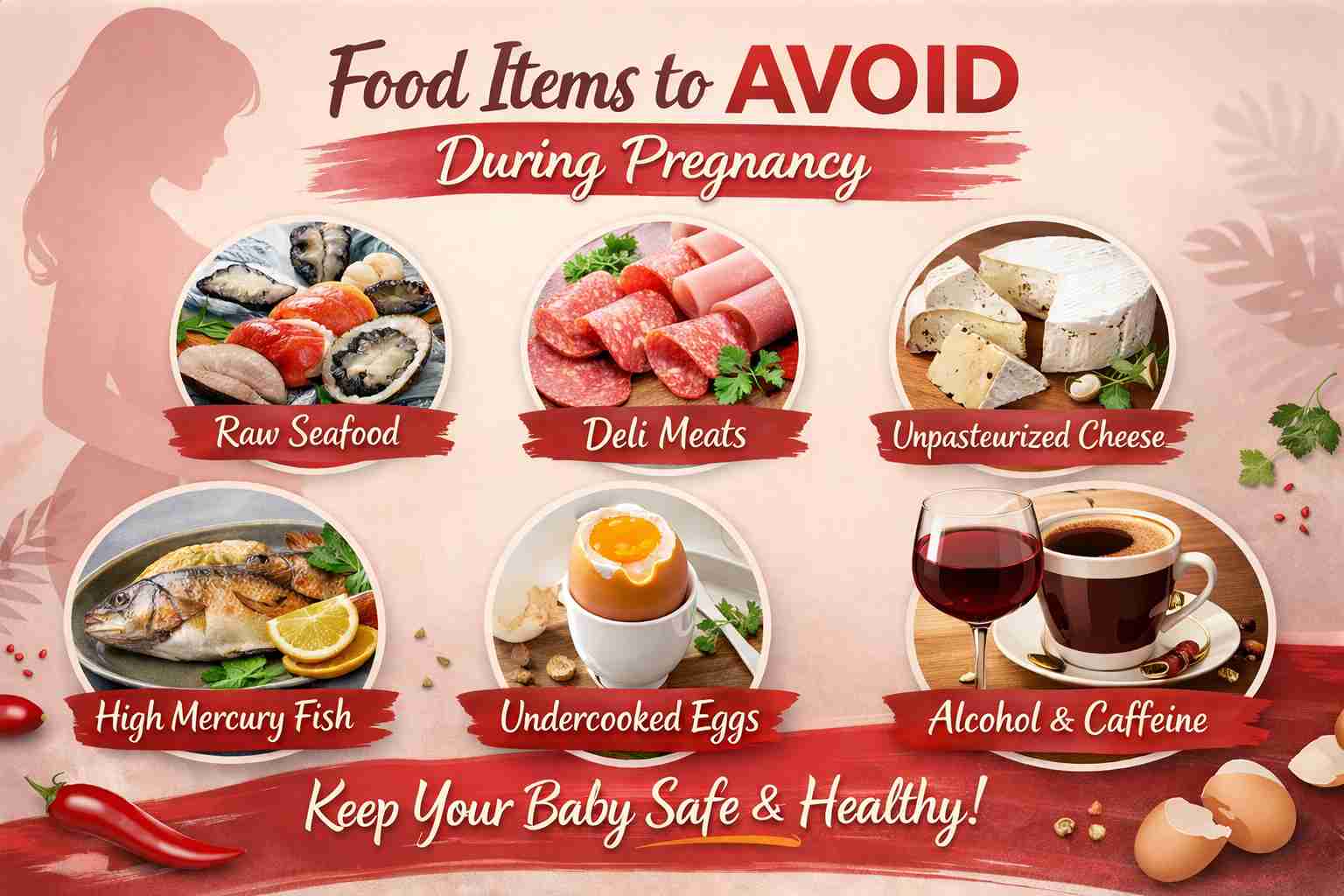
This is one of the most dangerous food categories during pregnancy. Raw or undercooked meat, poultry, and seafood can carry bacteria such as Salmonella, E. coli, Campylobacter, and Listeria monocytogenes. They can also carry the Toxoplasma gondii parasite, which causes toxoplasmosis.
Toxoplasmosis is particularly dangerous during pregnancy. If you contract it while pregnant, it can cause miscarriage, stillbirth, or serious health problems for your baby including eye damage, brain damage, and hearing loss.
What to avoid specifically:
• Raw or pink chicken or turkey
• Rare or medium-rare beef and lamb
• Raw or undercooked pork
• Raw minced meat or kebabs not cooked through
• Sushi or sashimi (raw fish)
• Raw oysters, clams, mussels, or other shellfish
• Deli meats and cold cuts unless heated until steaming hot
• Pates and meat spreads (refrigerated)
• Hotdogs unless cooked to steaming hot throughout
Always make sure meat is cooked to a safe internal temperature. Chicken should reach 74 degrees Celsius internally. Beef, pork, and lamb should reach at least 71 degrees. Never eat meat that is pink in the middle during pregnancy.
2. High-Mercury Fish and Seafood
Mercury is a heavy metal that is highly toxic to the nervous system. Large predatory fish accumulate high levels of methylmercury in their bodies through a process called bioaccumulation. When a pregnant woman eats these fish, mercury crosses the placenta and can damage the developing brain and nervous system of the fetus.
The effects of mercury exposure in utero include cognitive delays, learning disabilities, poor motor function, hearing and vision problems, and in severe cases, cerebral palsy.
High-mercury fish to completely avoid during pregnancy:
• Shark
• Swordfish
• King mackerel (Bangda in large sizes)
• Tilefish
• Bigeye tuna
• Orange roughy
• Marlin
Lower-mercury fish that are safe in moderation:
Salmon, sardines, tilapia, catfish, and shrimp are generally considered safer choices. The recommendation is to limit fish consumption to two to three servings per week even for low-mercury varieties. Always consult your doctor for guidance tailored to your diet.
Canned tuna is a grey area. Light canned tuna has less mercury than albacore. If you eat canned tuna, limit it to one serving per week. Avoid albacore and bigeye tuna entirely during pregnancy.
3. Unpasteurized Dairy Products and Soft Cheeses
Pasteurization is the process of heating milk to kill harmful bacteria. Unpasteurized or raw milk can contain Listeria, Salmonella, Campylobacter, and E. coli. Listeria monocytogenes is of special concern during pregnancy because it can cross the placental barrier and directly infect the baby.
Listeria infection during pregnancy can cause premature birth, miscarriage, newborn meningitis, and blood poisoning in the newborn. Pregnant women are about 10 times more likely than the general population to get Listeria infection.
Dairy products to avoid during pregnancy:
• Raw or unpasteurized milk of any kind
• Soft cheeses made from unpasteurized milk: Brie, Camembert, Feta, Blue cheese, Roquefort
• Mexican soft cheeses like queso fresco if made from raw milk
• Homemade paneer from unpasteurized milk
• Soft serve ice cream (risk of Listeria from machines)
• Unpasteurized juices and ciders
Hard cheeses like cheddar, parmesan, and processed cheeses made from pasteurized milk are generally safe. Always check labels to confirm pasteurization. In India, packaged milk from reputed brands is pasteurized. However, raw milk purchased from local vendors or direct from farms should be boiled before consumption.
4. Raw Eggs and Foods Containing Raw Eggs
Raw eggs may carry Salmonella bacteria. Salmonella infection during pregnancy can cause severe dehydration, vomiting, diarrhea, fever, and abdominal cramps. In severe cases, it can trigger premature labor.
Foods that commonly contain raw eggs:
• Homemade mayonnaise
• Caesar salad dressing
• Hollandaise sauce
• Mousse or tiramisu made with raw eggs
• Homemade ice cream with raw egg yolks
• Eggnog (traditional homemade version)
• Lightly scrambled or sunny side up eggs
• Soft-boiled eggs with runny yolk
Always eat fully cooked eggs during pregnancy. Both the white and yolk should be firm. Commercially prepared pasteurized egg products used in restaurants and packaged goods are generally safe. When in doubt, ask your doctor or the best gynecologist you are consulting with.
5. Alcohol
There is no safe amount of alcohol during pregnancy. This is not a matter of debate in the medical community. The WHO, CDC, and virtually every national medical body in the world recommends complete abstinence from alcohol during pregnancy.
Alcohol passes freely through the placenta. A developing baby has no ability to process alcohol the way an adult body does. The alcohol stays in the baby’s system far longer than in yours.
What alcohol does to a developing baby:
- Fetal Alcohol Syndrome (FAS) causing facial deformities, growth problems, and brain damage
- Fetal Alcohol Spectrum Disorders (FASDs) affecting behavior and learning for life
- Increased risk of miscarriage and stillbirth
- Preterm birth and low birth weight
- Intellectual disability and developmental delays
- Heart defects
Avoid all types: beer, wine, spirits, cocktails, and foods cooked with alcohol unless the alcohol has been completely cooked off (short cooking times do not remove alcohol entirely). Avoid wine vinegar in large amounts, kombucha that has fermented, and non-alcoholic beers that may still have trace alcohol.
If you drank alcohol before realizing you were pregnant, do not panic. Speak with your gynecologist immediately. They can assess whether any harm has occurred and guide you on next steps.
6. Excess Caffeine
Caffeine crosses the placenta. The fetus does not have the enzyme needed to metabolize caffeine, so it accumulates in fetal tissue. High caffeine intake has been linked to miscarriage, preterm birth, low birth weight, and stillbirth.
The general medical recommendation is to keep caffeine intake under 200 milligrams per day during pregnancy. To put that in perspective, a standard cup of coffee contains roughly 95 to 150 mg of caffeine depending on how it is brewed.
Sources of caffeine to watch during pregnancy:
• Coffee (limit to 1 cup per day at most)
• Strong tea including black tea and green tea
• Chai made with strong tea
• Energy drinks (completely avoid these)
• Cold drinks and sodas like cola
• Dark chocolate and cocoa
• Certain headache medicines containing caffeine
If you are a heavy coffee drinker, reduce gradually rather than stopping suddenly to avoid withdrawal headaches. Switch to herbal teas approved for pregnancy, warm lemon water, or decaffeinated options. Always confirm specific herbal teas are safe during pregnancy with your doctor.
7. Unwashed or Contaminated Fruits and Vegetables
Fresh produce is essential during pregnancy. However, fruits and vegetables can carry Toxoplasma gondii, E. coli, Listeria, and pesticide residues on their surface. During pregnancy, your immune system is naturally suppressed, making you more vulnerable to infection.
Key precautions for fruits and vegetables:
• Wash all produce thoroughly under running water before eating
• Scrub firm-skinned fruits and vegetables with a clean brush
• Remove outer leaves of leafy vegetables like cabbage and lettuce
• Avoid pre-cut or pre-washed bagged salads unless you rewash them
• Peel fruits with thick skins before eating
• Avoid raw sprouts: alfalfa, mung bean, radish sprouts as they harbour bacteria
• Avoid salads from restaurants or buffets where hygiene cannot be confirmed
Wash your hands thoroughly after handling raw produce, especially if you are also doing gardening. Soil can contain Toxoplasma. Similarly, avoid handling cat litter during pregnancy as cats can also be a source of Toxoplasma.
8. Certain Fruits That Are Unsafe During Pregnancy
Not every fruit is pregnancy-safe. Some fruits contain compounds that can trigger uterine contractions, raise body heat, or cause other problems particularly in the first trimester.
Papaya (raw or semi-ripe):
Raw papaya contains a high concentration of latex and the enzyme papain. Papain has been shown to act like prostaglandins and oxytocin, which are the hormones that trigger labor. Consuming large amounts of raw papaya in the first trimester significantly raises the risk of miscarriage and premature labor. Fully ripe papaya in small amounts is generally considered safer, but it is best to consult your doctor before including it.
Pineapple (large amounts):
Pineapple contains bromelain, an enzyme that can soften the cervix and stimulate uterine contractions. A small serving occasionally is unlikely to cause harm, but eating large amounts, especially in the first trimester, is not advisable.
Grapes (in the third trimester, large quantities):
Some Indian Ayurvedic and traditional medical perspectives recommend limiting grapes in late pregnancy. Grapes generate heat in the body. Black grapes contain resveratrol, which in large doses may be problematic. Occasional consumption in moderate amounts is typically fine.
Dates (in excess):
Dates are often recommended in the third trimester to help prepare the cervix for labor. However, excessive consumption throughout pregnancy can raise blood sugar significantly. Women with gestational diabetes should be particularly careful and discuss date consumption with their doctor.
9. Processed, Packaged, and Junk Foods
Processed foods are a major concern during pregnancy because they are high in sodium, refined sugars, unhealthy trans fats, artificial additives, preservatives, and empty calories. These contribute to excessive weight gain, gestational diabetes, gestational hypertension, and preeclampsia, all of which carry serious risks for both mother and baby.
Processed foods to minimize or avoid:
• Chips, namkeen, and fried snacks
• Instant noodles and cup noodles
• Packaged biscuits and cookies high in trans fats
• Fast food: burgers, pizza, fried chicken
• Ready-to-eat frozen meals
• High-sugar cereals and flavoured oats
• Packaged fruit juices (high sugar, low nutrition)
• Artificial sweeteners in large amounts
• Packaged sauces, ketchup, and dressings high in sodium
Focus instead on whole, home-cooked foods. A pregnancy diet rich in whole grains, fresh vegetables, legumes, lean proteins, dairy, and healthy fats provides the nutrients your baby needs. If you are craving junk food intensely, discuss pregnancy cravings management with your gynecologist or a dietitian.
10. Herbal Teas and Supplements Not Approved for Pregnancy
The term herbal or natural does not mean safe during pregnancy. Many herbal teas and Ayurvedic or herbal supplements can stimulate uterine contractions, cause hormonal disruptions, or have direct toxic effects on the fetus.
Herbal teas and supplements to avoid during pregnancy:
• Aloe vera juice or supplements (can cause uterine contractions)
• Fenugreek (methi) in large medicinal doses (stimulates uterine activity)
• Dong quai (can stimulate uterine contractions)
• Pennyroyal (extremely dangerous, can cause miscarriage)
• Black cohosh (used to induce labor, unsafe in pregnancy)
• Licorice root in large amounts (linked to preterm birth)
• Parsley tea in large medicinal amounts
• Cinnamon supplements (different from small culinary use)
• Castor oil internally (stimulates contractions)
• Any supplement not specifically approved by your doctor
Herbal teas that are generally considered safe in moderation include ginger tea for nausea and peppermint tea. However, even these should be discussed with your doctor. Never self-prescribe any supplement during pregnancy. Only take vitamins, minerals, and supplements that have been prescribed or cleared by your healthcare provider.
11. Certain Street Foods and Restaurant Foods
Street food and some restaurant foods carry a higher risk of contamination during pregnancy. The issue is not just the ingredients but also food handling, preparation hygiene, storage temperature, and cross-contamination.
Street and restaurant foods that carry risk during pregnancy:
• Golgappa or pani puri (contaminated water used in pani)
• Open chaat items like aloo tikki, dahi bhalla from street stalls
• Cut fruit from street vendors (washed with unclean water)
• Chutney and sauces left out at room temperature for hours
• Buffet foods that sit at room temperature for extended periods
• Roadside egg preparations where hygiene is unclear
• Any food that has been sitting out uncovered in the heat
• Unpasteurized lassi or chaach from unknown sources
This does not mean you cannot eat outside at all during pregnancy. Trusted restaurants with good hygiene standards, where food is freshly prepared and served hot, are generally acceptable. The key is to be selective and prioritize cleanliness over convenience.
12. High-Sodium Foods
Excess sodium during pregnancy causes water retention, which leads to swelling in the feet, ankles, and hands. More seriously, a high-sodium diet contributes to high blood pressure, which can develop into gestational hypertension and preeclampsia.
Preeclampsia is a serious pregnancy complication involving dangerously high blood pressure and organ damage. It is a leading cause of maternal and fetal mortality worldwide. Controlling sodium intake is one of the key preventive steps.
High-sodium foods to limit:
• Pickles (achaar) in excess
• Papads and salted snacks
• Packaged soups and instant noodles
• Soya sauce, fish sauce, oyster sauce
• Processed meats and sausages
• Canned vegetables with added salt
• Salted butter in large amounts
Moderate use of iodized salt in cooking is important for fetal thyroid development. The goal is not to eliminate sodium entirely but to avoid excess. Keep your daily sodium intake under 2,300 mg, and discuss target levels with your doctor based on your specific blood pressure readings.
13. Vitamin A in Excess (Retinol Form)
Vitamin A is essential during pregnancy. However, too much of the retinol form of Vitamin A (from animal sources and supplements) is teratogenic, meaning it causes birth defects. High doses in the first trimester are particularly dangerous.
The safe form of Vitamin A for pregnancy is beta-carotene from plant sources like carrots, sweet potatoes, and leafy greens. Beta-carotene is converted to Vitamin A in the body only as needed, so excess is not stored dangerously.
What to avoid:
• Liver and liver products more than once a week (extremely high in retinol)
• Liver pate
• High-dose Vitamin A supplements above what is prescribed
• Cod liver oil supplements unless specifically recommended by your doctor
• Retinol-containing face creams and prescription retinoids (topical absorption is a concern)
Your prenatal vitamin already contains a safe, pregnancy-appropriate amount of Vitamin A. Never take additional Vitamin A supplements without your doctor’s knowledge. Inform your gynecologist about all supplements, skincare products with active ingredients, and over-the-counter medicines you are taking.
14. Artificial Sweeteners and Additives
The safety data on artificial sweeteners during pregnancy is limited and the research continues to evolve. Some sweeteners like saccharin are considered potentially unsafe during pregnancy and should be avoided. Others like aspartame and sucralose have been studied more but are still best consumed in very limited amounts.
Artificial sweeteners are found in diet sodas, sugar-free biscuits and candies, sugar-free flavored drinks, and many packaged low-calorie foods. During pregnancy, satisfying a sweet craving with natural sources like fruit is a much healthier and safer approach.
Artificial food colors, flavors, and preservatives like sodium nitrate (found in processed meats), BHA, and BHT are also best minimized. A diet based around whole, minimally processed foods removes most of these concerns naturally.
15. Excess Sugar and High-Glycemic Foods
Gestational diabetes affects a significant percentage of pregnant women. Even women who have never had diabetes can develop it during pregnancy due to the hormonal changes that affect insulin sensitivity. An excess sugar diet dramatically increases this risk.
Gestational diabetes raises the risk of having a very large baby (macrosomia), complicated delivery, emergency C-section, and the baby developing low blood sugar at birth. It also raises the mother’s long-term risk of Type 2 diabetes.
High-glycemic foods to limit:
• White rice in large portions
• White bread and maida-based rotis
• Mithai and sweets: gulab jamun, jalebi, barfi
• Packed fruit juices and sugary drinks
• Sugary cereals
• Sweetened condensed milk products
• Pastries, cakes, and donuts
Switch to brown rice, whole wheat roti, millets, and oats. Include protein and healthy fat with every meal to slow down glucose release. Get your blood sugar tested at the recommended times during pregnancy, typically around week 24 to 28, or earlier if you have risk factors.
16. Leftovers Stored Improperly
Food safety during pregnancy extends beyond what you buy at the store. How you store and reheat food matters enormously. Bacteria multiply rapidly between 4 degrees and 60 degrees Celsius, the temperature zone called the danger zone.
Listeria is particularly dangerous because unlike most bacteria, it can continue to grow even in the refrigerator at low temperatures. This means even refrigerated leftovers from previous days carry risk.
Food safety rules to follow:
• Do not eat leftovers that are more than 24 hours old unless they were frozen
• Reheat leftovers to steaming hot throughout before eating
• Do not eat food that has been left at room temperature for more than 2 hours
• Store raw meat separately from cooked food and vegetables
• Use separate cutting boards for meat and vegetables
• Do not thaw frozen meat on the kitchen counter; thaw in the refrigerator overnight
Fresh, home-cooked meals eaten immediately after preparation are the safest option during pregnancy. Cook in smaller batches if possible to reduce the need for leftover storage.
Trimester-Specific Food Cautions
First Trimester (Weeks 1 to 12):
This is the period of organ formation. The neural tube (brain and spinal cord), heart, and limbs are all forming. Folic acid is critical here. Avoid all the high-risk foods above with extra strictness. Raw papaya and pineapple in large amounts are particularly concerning this trimester. Nausea is common and many women eat whatever they can tolerate. If nausea is affecting your nutrition, discuss nutritional supplements and safe snack options with your doctor.
Second Trimester (Weeks 13 to 26):
Appetite often returns and energy improves. The baby’s brain development is rapid during this phase and requires DHA and iron. Continue avoiding high-mercury fish. Get your blood sugar and blood pressure tested regularly. Gestational diabetes screening typically happens in this trimester. Iron requirements increase significantly to support the growing blood volume.
Third Trimester (Weeks 27 to 40):
The baby is adding weight rapidly and preparing organ systems for life outside the womb. Calcium and vitamin D are critical for bone development. Continue all food safety practices. Avoid heavy, greasy meals that worsen heartburn and reflux, which are common this trimester. Reduce excess sodium to manage swelling. Monitor blood pressure closely.
When to Consult Your Doctor About Pregnancy Nutrition
Every pregnancy is unique. What applies to one woman may not apply to another. Women with pre-existing conditions like thyroid disorders, PCOS, diabetes, hypertension, or a history of pregnancy complications have specific dietary needs that require personalized guidance.
Seek immediate medical attention if you experience food poisoning symptoms during pregnancy. These include vomiting, diarrhea, high fever, severe abdominal cramping, blood in stool, or signs of dehydration. What may be a 24-hour inconvenience for a non-pregnant person can be a medical emergency during pregnancy.
Talk to the best gynecologist available to you before starting any new diet, supplement, or herbal remedy during pregnancy. Even if something is labeled natural, traditional, or Ayurvedic, always confirm its safety with a qualified medical professional before consuming it.
If you are looking for a trusted specialist for high-risk pregnancy, fertility treatment, or comprehensive antenatal care, choosing the right hospital and medical team makes an enormous difference in outcomes for both mother and baby.
Quick Reference: Foods to Avoid vs. Safer Alternatives
Here is a simple summary of what to avoid and what you can eat instead:
Avoid: Raw chicken or undercooked meat | Instead: Fully cooked meat to safe internal temperature
Avoid: High-mercury fish like shark, swordfish | Instead: Low-mercury fish like salmon, sardines (2-3 servings/week)
Avoid: Unpasteurized milk and soft cheeses | Instead: Pasteurized dairy and hard cheeses
Avoid: Raw or runny eggs | Instead: Fully cooked eggs with firm yolk and white
Avoid: Alcohol of any kind | Instead: Sparkling water, fresh coconut water, safe herbal teas
Avoid: More than 200mg caffeine daily | Instead: Decaf tea, warm milk, lemon water
Avoid: Raw papaya and large amounts of pineapple | Instead: Ripe mango, banana, apple, pomegranate
Avoid: Street chaat and uncovered cut fruit | Instead: Fresh home-cut washed fruit
Avoid: Junk food: chips, instant noodles, pizza | Instead: Whole grain snacks, roasted makhana, fruit
Avoid: Herbal supplements without medical approval | Instead: Only prescribed prenatal vitamins
Final Words for Expecting Mothers
Pregnancy nutrition can feel overwhelming. There is a lot of information, a lot of well-meaning advice from family and friends, and a lot of conflicting messages online. The most important thing to remember is that small, consistent, and well-informed choices are what protect your baby.
You do not need to be perfect. You need to be informed and careful. Most of the foods listed in this guide are avoidable without sacrificing nutrition or enjoyment. A balanced, whole-food pregnancy diet is entirely achievable and deeply satisfying.
Eat fresh. Cook at home as much as possible. Stay hydrated. Avoid processed and high-risk foods. And most importantly, build a trusting relationship with your doctor or midwife. They are your best resource for guidance that is specific to your pregnancy.
Every healthy choice you make today is a gift to the child growing inside you. You are doing something extraordinary. Take care of yourself, because taking care of yourself is taking care of your baby.
Read More: Best Foods to Improve Male Fertility