Male fertility is not limited to sperm count alone. Many men concentrate on figures such as total sperm count, motility, or morphology, while overlooking an essential semen parameter known as sperm liquefaction time. When semen remains thick for an extended period after ejaculation, sperm movement can become restricted, which may lower the chances of natural conception.
Men who receive this finding in their semen analysis often seek clarity from a fertility specialist or consult the best IVF center in Patiala to understand whether delayed liquefaction is a minor variation or an underlying concern. In many cases, proper evaluation and lifestyle correction can significantly improve this condition.
If you are searching for how to improve sperm liquefaction time naturally, this comprehensive guide explains the causes, symptoms, medical background, natural remedies, lifestyle adjustments, dietary changes, and the right time to seek professional guidance.
What Is Sperm Liquefaction?
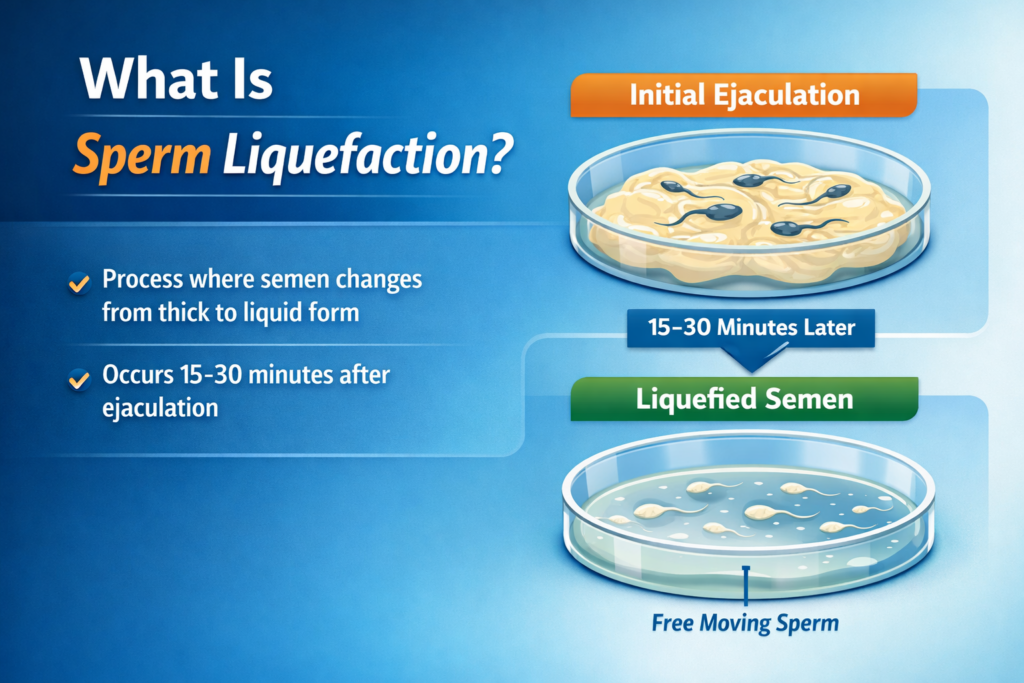
Immediately after ejaculation, semen is thick and gel like. This is normal. Within 20 to 30 minutes, enzymes produced mainly by the prostate gland break down the proteins in semen, making it more fluid. This process is called liquefaction.
Liquefaction allows sperm to swim freely through cervical mucus and travel toward the egg.
Normal Liquefaction Time
According to WHO laboratory guidelines:
- Normal: Within 60 minutes
- Delayed: More than 60 minutes
- Hyperviscous semen: Excessive thickness or thread formation more than 2 cm during lab testing
If semen does not liquefy properly, sperm motility may decrease even if sperm count appears normal.
Why Liquefaction Matters for Fertility
Sperm must travel through the female reproductive tract to fertilize an egg. If semen remains overly thick:
- Sperm get trapped in the gel structure
- Progressive motility reduces
- Cervical penetration becomes difficult
- Fertilization chances decline
Male factor infertility contributes to nearly 40 to 50 percent of infertility cases worldwide. Abnormal semen viscosity is observed in a notable percentage of infertile men.
Liquefaction problems alone may not always cause infertility, but they can significantly reduce natural conception probability.
How Delayed Liquefaction Appears in a Semen Analysis Report
If you have undergone semen testing, you may see terms such as:
- Increased viscosity
- Delayed liquefaction
- Thick semen consistency
- Poor progressive motility
- Presence of pus cells
A typical semen analysis evaluates:
- Volume
- Sperm concentration
- Total motile sperm count
- Progressive motility
- Morphology
- pH level
- White blood cells
When semen remains thick beyond 60 minutes, the lab reports delayed liquefaction or hyperviscosity.
Common Causes of Delayed Semen Liquefaction
Understanding the cause helps guide natural correction.
1. Prostate Gland Dysfunction
The prostate produces enzymes responsible for semen thinning. Inflammation or infection can reduce enzyme activity.
2. Prostatitis
Chronic prostate inflammation is a common cause of thick semen and reduced motility.
3. Infection in the Reproductive Tract
Bacterial infections may increase white blood cells and alter semen consistency.
4. Oxidative Stress
Free radical damage affects sperm membrane integrity and semen structure.
5. Hormonal Imbalance
Low testosterone levels can indirectly impact semen quality.
6. Dehydration
Low fluid intake often results in thicker semen.
7. Long Abstinence Period
Prolonged gaps between ejaculations may increase semen thickness.
8. Lifestyle Factors
- Smoking
- Excess alcohol
- Obesity
- Poor diet
- Chronic stress
How to Improve Sperm Liquefaction Time Naturally
Improvement is often possible through structured lifestyle changes.
1. Optimize Hydration
Drink 2.5 to 3 liters of water daily. Proper hydration supports normal semen consistency and improves overall reproductive health.
Limit excessive caffeine and sugary beverages.
2. Improve Prostate Health Through Diet
Since liquefaction depends heavily on prostate enzymes, diet is critical.
Zinc Rich Foods
Zinc supports enzyme production.
- Pumpkin seeds
- Lentils
- Eggs
- Nuts
Antioxidant Rich Foods
Reduce oxidative stress.
- Pomegranate
- Blueberries
- Spinach
- Tomatoes
- Carrots
Omega 3 Fatty Acids
Improve sperm membrane flexibility.
- Walnuts
- Flaxseeds
- Fatty fish
Lycopene
Supports prostate function.
- Cooked tomatoes
- Watermelon
A fertility supportive diet may show results within 2 to 3 months.
3. Exercise Regularly
Moderate exercise improves:
- Testosterone levels
- Blood flow to reproductive organs
- Metabolic health
- Sperm motility
Brisk walking, yoga, light strength training, and bodyweight exercises are beneficial. Avoid anabolic steroids and extreme overtraining.
4. Maintain Healthy Weight
Excess body fat increases inflammation and hormonal imbalance. Even modest weight reduction can improve semen parameters.
5. Stop Smoking and Reduce Alcohol
Smoking damages sperm DNA and increases oxidative stress. Excess alcohol lowers testosterone and impairs semen quality.
Stopping these habits significantly improves male fertility potential within three months.
6. Manage Stress and Sleep
Chronic stress elevates cortisol and suppresses testosterone. Aim for:
- 7 to 8 hours of sleep
- Daily relaxation techniques
- Reduced screen exposure before bedtime
Hormonal balance improves sperm health.
7. Consider Evidence Based Supplements
After medical consultation, certain supplements may support semen quality:
- Zinc
- Coenzyme Q10
- L Carnitine
- Vitamin D
- Ashwagandha
Clinical studies suggest antioxidants may improve motility and semen parameters in selected men.
8. Maintain Regular Ejaculation
Ejaculating every 2 to 3 days can help maintain optimal semen consistency.
90 Day Natural Improvement Plan
Sperm production takes about 74 days. Lifestyle changes require consistency.
Month 1
- Hydration correction
- Stop smoking
- Improve sleep
- Begin antioxidant rich diet
Month 2
- Add structured exercise
- Begin doctor approved supplements
- Maintain regular ejaculation
Month 3
- Repeat semen analysis
- Assess improvements
- Consult specialist if needed
Conditions That May Mimic Thick Semen
Sometimes delayed liquefaction is confused with:
- Low semen volume
- Retrograde ejaculation
- Severe infection
- Obstruction in reproductive tract
Proper medical evaluation is important.
When to Seek Medical Attention
Consult a specialist if you notice:
- Painful ejaculation
- Blood in semen
- Fever
- Pelvic discomfort
- Persistent infertility beyond 12 months
- Abnormal semen report findings
Early evaluation improves treatment outcomes.
Fertility Is a Couple Issue
Even if semen liquefaction improves, pregnancy depends on both partners. Female factors such as ovulation, tubal patency, and age must also be evaluated.
Comprehensive fertility assessment provides clarity.
Final Thoughts
Improving sperm liquefaction time naturally is possible in many cases. The key lies in identifying the underlying cause and correcting lifestyle, nutrition, hydration, stress, and prostate health factors.
Male fertility is multifactorial. Do not ignore semen consistency if you are planning a pregnancy. Early evaluation and natural correction can significantly improve reproductive outcomes.
If you are facing persistent fertility issues, consult a qualified reproductive specialist for proper diagnosis and personalized treatment.
Taking proactive steps today can improve your fertility potential in the months ahead.
Read More: Azoospermia: Causes, Diagnosis & Treatment Guide
Frequently Asked Questions
What is normal semen liquefaction time?
Semen should liquefy within 20 to 60 minutes after ejaculation.
Can thick semen cause infertility?
Yes, if semen remains excessively thick, sperm motility may decrease, affecting natural conception chances.
Does drinking more water improve semen consistency?
Proper hydration can help improve semen fluidity in mild cases.
Is delayed liquefaction reversible?
In many lifestyle related cases, yes. Medical causes require treatment.
How long does it take to improve semen quality?
Approximately 2 to 3 months with consistent lifestyle correction.