Infertility is a growing concern for millions of couples worldwide. While many people assume that fertility challenges affect only women, medical research shows that both men and women can contribute equally to difficulties in conceiving. Understanding the causes of infertility is the first step toward finding the right fertility treatment and increasing the chances of a successful pregnancy.
At Dream IVF, fertility specialists work closely with couples to identify the underlying causes of infertility and develop personalized treatment plans based on individual reproductive health needs.
What Is Infertility?
Infertility is generally defined as the inability to achieve pregnancy after 12 months of regular, unprotected intercourse. For women over the age of 35, evaluation is often recommended after six months of trying to conceive.
Infertility can result from issues affecting the reproductive system in either partner or a combination of factors involving both partners.
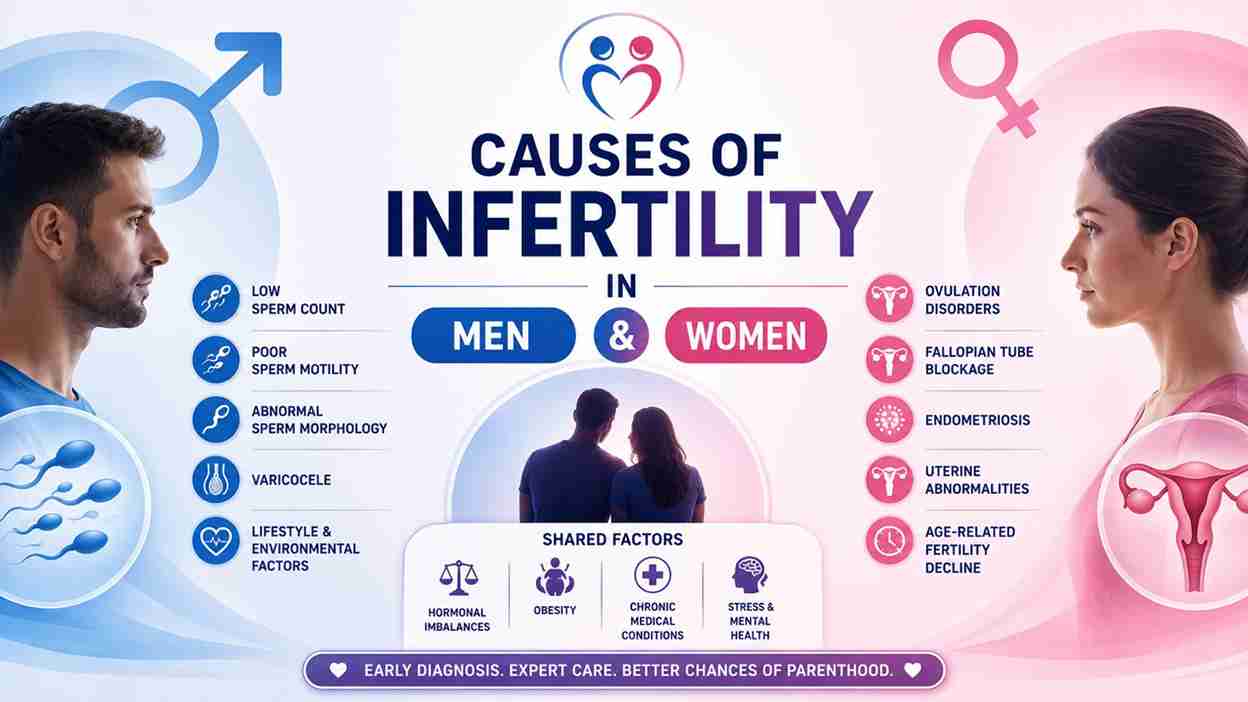
Common Causes of Female Infertility
Female infertility can occur due to several reproductive health conditions that affect ovulation, fertilization, or implantation.
1. Ovulation Disorders
Ovulation disorders are among the most common causes of female infertility. Conditions such as Polycystic Ovary Syndrome (PCOS) can interfere with the regular release of eggs from the ovaries.
Common symptoms include:
- Irregular menstrual cycles
- Hormonal imbalances
- Weight fluctuations
- Difficulty conceiving
2. Fallopian Tube Blockage
Blocked or damaged fallopian tubes can prevent the egg and sperm from meeting, making natural conception difficult.
Potential causes include:
- Pelvic inflammatory disease (PID)
- Previous pelvic surgeries
- Endometriosis
- Sexually transmitted infections
3. Endometriosis
Endometriosis occurs when tissue similar to the uterine lining grows outside the uterus. This condition can affect the ovaries, fallopian tubes, and surrounding reproductive organs.
Women with endometriosis may experience:
- Severe menstrual pain
- Pelvic discomfort
- Fertility challenges
4. Uterine Abnormalities
Structural issues within the uterus can affect embryo implantation and pregnancy outcomes.
Examples include:
- Uterine fibroids
- Uterine polyps
- Congenital uterine abnormalities
- Scar tissue formation
5. Age-Related Fertility Decline
Female fertility naturally declines with age, particularly after 35. Egg quantity and quality decrease over time, reducing the likelihood of successful conception and increasing the risk of miscarriage.
A qualified gynaecologist can assess ovarian reserve and guide fertility preservation and treatment options.
Common Causes of Male Infertility
Male infertility accounts for a significant percentage of infertility cases and is often related to sperm production or sperm function.
1. Low Sperm Count
A reduced number of sperm can make fertilization more difficult. Low sperm count may result from:
- Hormonal disorders
- Genetic conditions
- Medical illnesses
- Lifestyle factors
2. Poor Sperm Motility
Sperm motility refers to the ability of sperm to swim effectively toward the egg. Reduced motility decreases the chances of natural conception.
3. Abnormal Sperm Morphology
Abnormal sperm shape can affect the sperm’s ability to penetrate and fertilize the egg successfully.
4. Varicocele
A varicocele is an enlargement of the veins within the scrotum that can negatively affect sperm production and quality. It is one of the most common treatable causes of male infertility.
5. Lifestyle and Environmental Factors
Several lifestyle choices can impact male reproductive health, including:
- Smoking
- Excessive alcohol consumption
- Drug use
- Obesity
- Chronic stress
- Exposure to environmental toxins
See also: How to Improve Sperm Liquefaction Time Naturally
Shared Factors That Affect Fertility
Certain factors can contribute to infertility in men and women.
Hormonal Imbalances
Hormones play a crucial role in reproduction. Any disruption in hormone levels can interfere with fertility.
Obesity
Excess body weight can affect ovulation in women and reduce sperm quality in men.
Chronic Medical Conditions
Conditions such as diabetes, thyroid disorders, and autoimmune diseases may impact fertility if left unmanaged.
Stress and Mental Health
While stress alone may not directly cause infertility, chronic stress can affect hormone regulation, sexual health, and overall reproductive function.
When Should You Seek Fertility Evaluation?
Couples should consider consulting a fertility specialist if:
- Pregnancy has not occurred after one year of trying
- The woman is over 35 years old and has been trying for six months
- There are known reproductive health conditions
- There is a history of miscarriage
- Menstrual cycles are irregular
- Male fertility concerns are suspected
A comprehensive fertility assessment may include hormonal testing, ultrasound imaging, semen analysis, and reproductive health evaluations.
How an IVF Centre Can Help
A specialized ivf centre offers advanced diagnostic and treatment options for couples facing infertility challenges. Depending on the diagnosis, fertility specialists may recommend:
- Ovulation induction
- Intrauterine insemination (IUI)
- In Vitro Fertilization (IVF)
- Intracytoplasmic Sperm Injection (ICSI)
- Fertility preservation techniques
- Assisted reproductive technology (ART)
Modern fertility treatments have significantly improved success rates and provide hope for many couples struggling to conceive.
Conclusion
Infertility can affect both men and women and often results from a combination of medical, genetic, hormonal, and lifestyle factors. Early diagnosis and timely intervention can make a significant difference in fertility outcomes.
By understanding the causes of infertility and seeking guidance from experienced fertility specialists, couples can explore effective treatment options and move closer to achieving their dream of parenthood. Whether the challenge involves ovulation disorders, sperm quality issues, age-related fertility decline, or reproductive health conditions, the right medical support can help identify solutions and improve the chances of a healthy pregnancy.