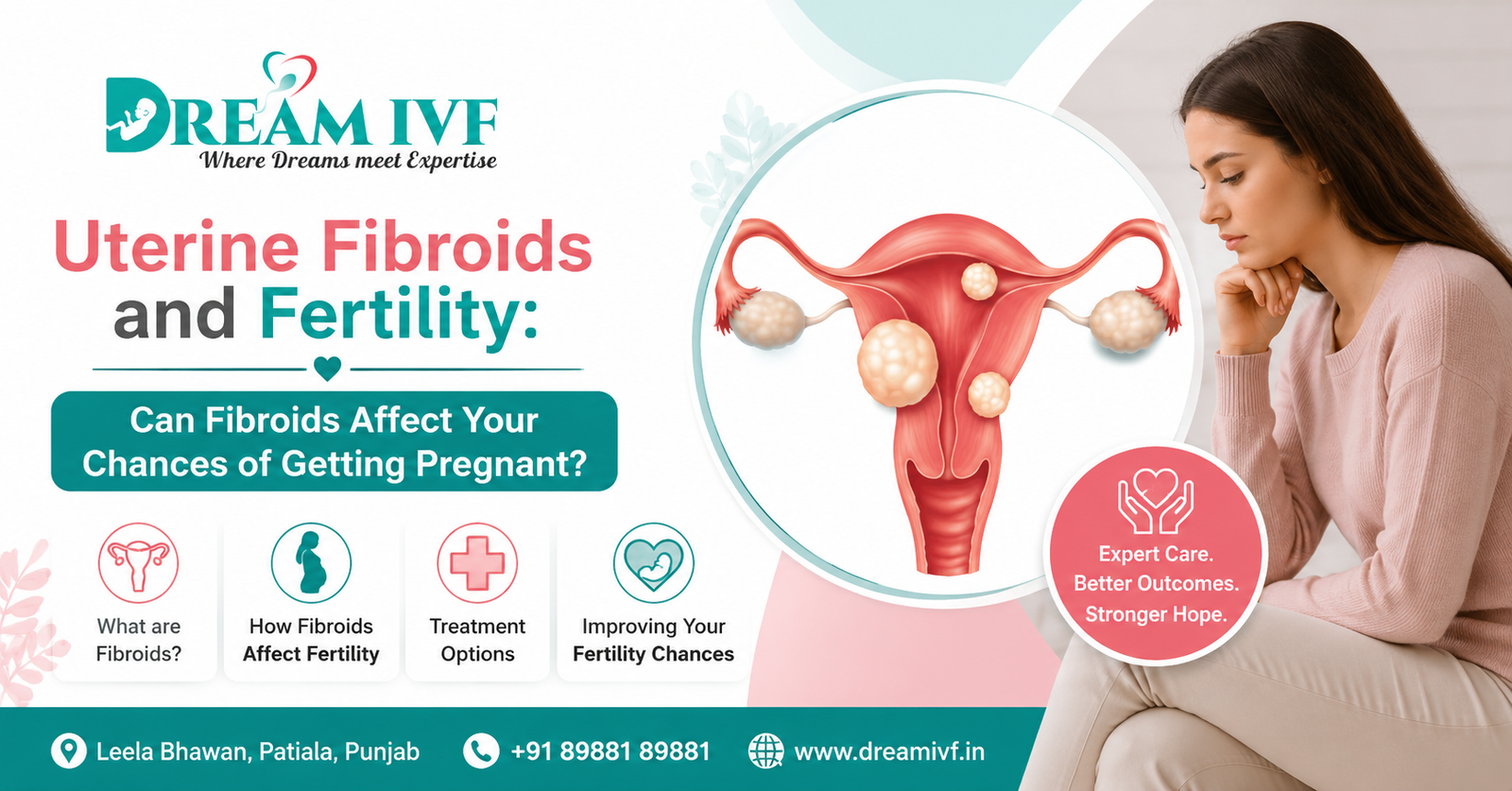
Trying to get pregnant can bring a lot of questions, especially when you’ve been told that you have uterine fibroids. One of the first things many women wonder is, “Can I still get pregnant?”
The short answer is yes; many women with fibroids become pregnant naturally. However, depending on their size, number, and location, fibroids can sometimes affect fertility or pregnancy.
Understanding what fibroids are and how they may influence conception can help you make informed decisions about your reproductive health.
What Are Uterine Fibroids?
Uterine fibroids are non-cancerous growths that develop in or around the uterus. They are made up of muscle and connective tissue and can range from very small growths to larger ones.
Some women have a single fibroid, while others may have several. They can also develop in different parts of the uterus.
The main types include:
- Submucosal fibroids: Grow toward the inside of the uterine cavity.
- Intramural fibroids: Develop within the muscular wall of the uterus.
- Subserosal fibroids: Grow toward the outside of the uterus.
Not every fibroid causes symptoms or fertility problems. In fact, some women don’t know they have them until they have an ultrasound for an unrelated reason.
Can Fibroids Affect Fertility?
Yes, fibroids can affect fertility in some women, but having fibroids doesn’t automatically mean that you will have difficulty conceiving.
Their impact largely depends on where they are located and whether they change the shape of the uterine cavity.
For example, fibroids that grow into the uterine cavity may interfere with embryo implantation. Certain larger fibroids may also affect the normal anatomy of the uterus or, in some cases, influence the function of nearby reproductive structures.
This is why the diagnosis alone doesn’t tell the whole story. A proper fertility evaluation is important to understand whether the fibroid is actually contributing to difficulty conceiving.
If you’re experiencing fertility concerns, a fertility consultation at Dream IVF can help assess possible factors affecting conception and guide you toward appropriate next steps.
For more information, read our guide on Causes of Infertility in Men and Women.
How Can Fibroids Interfere With Pregnancy?
Fibroids may influence fertility in several ways.
They May Affect Embryo Implantation
After fertilisation, the embryo needs to attach to the lining of the uterus. A fibroid that changes the shape of the uterine cavity may make implantation more difficult.
This is particularly relevant when a woman has a submucosal fibroid or another fibroid that significantly distorts the cavity.
They Can Change the Shape of the Uterus
Larger fibroids can sometimes alter the normal shape of the uterus. Whether this matters for fertility depends on the exact size and location of the growth.
They May Be Associated With Pregnancy Complications
Some women with fibroids have completely uncomplicated pregnancies. Others may require closer monitoring depending on the fibroid’s size and location.
Having a fibroid doesn’t mean that a healthy pregnancy isn’t possible. It simply means that your individual circumstances should be assessed properly.
What Symptoms Can Fibroids Cause?
Some women have no symptoms at all. When symptoms do occur, they may include:
- Heavy or prolonged menstrual bleeding
- Painful periods
- Pelvic pressure or discomfort
- Lower abdominal heaviness
- Frequent urination
- Pain during intercourse
- Changes in menstrual cycles
- Difficulty conceiving
These symptoms can also occur with other gynecological conditions, so it’s important not to assume that fibroids are the cause without proper evaluation.
If you’re looking for a gynecologist in Patiala for concerns related to menstrual health, fibroids, or reproductive health, a clinical evaluation can help identify the underlying cause.
Dream IVF also provides gynaecology and women’s health services in Patiala for women who need evaluation and ongoing reproductive care.
How Are Uterine Fibroids Diagnosed?
Diagnosis usually begins with a discussion about your symptoms, menstrual history, previous pregnancies, and fertility concerns.
An ultrasound may follow a pelvic examination. Ultrasound can help identify the number, size, and location of fibroids and provide useful information about the uterus.
In some situations, additional testing may be recommended to examine the uterine cavity more closely.
If you’re trying to conceive, your doctor may also assess other aspects of fertility. These can include ovulation, ovarian reserve, fallopian tube health, and sperm parameters.
That broader evaluation is important because infertility can have more than one contributing factor.
Do Fibroids Always Need Treatment Before Pregnancy?
No. Finding a fibroid doesn’t automatically mean that it needs to be removed.
Doctors usually consider several factors before recommending treatment, including:
- Size and location of the fibroid
- Number of fibroids
- Symptoms
- Whether the uterine cavity is distorted
- Age and reproductive plans
- Previous pregnancy history
- Duration of trying to conceive
- Other fertility factors
Some women may simply need regular monitoring. Others may benefit from treatment if a fibroid is clearly affecting fertility or causing significant symptoms.
The goal isn’t necessarily to remove every fibroid. The goal is to determine whether treatment is likely to improve the woman’s individual reproductive outcome.
Fibroids and IVF: Is IVF Still Possible?
Yes. Having fibroids doesn’t automatically rule out IVF.
For women who require assisted reproductive treatment, the fertility team may assess whether the fibroid could interfere with embryo implantation or pregnancy.
In selected situations, treatment of a fibroid may be considered before beginning IVF. However, this decision depends on the individual case and shouldn’t be based on size alone.
If you’re researching an IVF centre in Patiala, look beyond the procedure itself. A good fertility assessment should consider your complete reproductive history, uterine health, ovarian factors, and other possible causes of infertility.
Women considering treatment can explore IVF and fertility care at Dream IVF to understand the available evaluation and treatment pathways.
Choosing the Right Fertility Care
When fertility becomes a concern, choosing a centre that offers both evaluation and treatment can make the process easier.
Whether you’re searching for the best IVF centre in Patiala, comparing an IVF centre in Punjab, or simply looking for reliable fertility guidance, focus on personalised assessment rather than promises or guarantees.
Your treatment plan should be based on your age, medical history, fertility tests, uterine health, and individual reproductive goals.
For women across Punjab, access to experienced fertility care can be particularly valuable when conditions such as fibroids, endometriosis, PCOS, or recurrent pregnancy loss are involved.
When Should You See a Fertility Specialist?
If you’ve been trying to conceive and already know that you have fibroids, it can be useful to discuss your situation with a fertility specialist.
You may also want to seek an evaluation if you experience very heavy periods, persistent pelvic discomfort, previous pregnancy loss, or difficulty becoming pregnant.
An evaluation doesn’t mean that you’ll automatically need IVF or surgery. Sometimes, the most helpful first step is simply understanding what is affecting your fertility.
Final Thoughts
Uterine fibroids are common, and having them doesn’t mean that pregnancy is out of reach.
Some fibroids have little or no effect on fertility, while others may interfere with implantation or the normal shape of the uterus. Their location, size, and relationship with the uterine cavity are often more important than the diagnosis itself.
If you’re trying to conceive, don’t let the word “fibroid” immediately make you assume the worst. A proper evaluation can help determine whether the fibroid is relevant to your fertility and whether any treatment is actually needed.
With appropriate assessment and personalised fertility care, many women with fibroids can move forward with confidence toward their pregnancy goals.
Frequently Asked Questions
1. Can I get pregnant naturally if I have uterine fibroids?
Yes. Many women with fibroids conceive naturally. Fertility depends on several factors, including the fibroid’s location and size, your age, ovulation, fallopian tube health, and your partner’s sperm health.
2. Which type of fibroid is more likely to affect fertility?
Fibroids that grow into the uterine cavity, particularly submucosal fibroids, are more likely to interfere with implantation. Some intramural fibroids may also be relevant when they are large or significantly distort the uterine cavity.
3. Do fibroids always need to be removed before pregnancy?
No. Treatment isn’t necessary for every fibroid. Doctors consider its location, size, symptoms, effect on the uterine cavity, and your fertility history before recommending any intervention.
4. Can I have IVF if I have fibroids?
Yes. Women with fibroids can undergo IVF when appropriate. Before treatment, the fertility team may assess whether the fibroid could affect embryo implantation or pregnancy and decide whether any treatment is needed beforehand.
5. Can fibroids cause infertility?
Fibroids can contribute to infertility in some women, but they aren’t the only possible cause. Problems with ovulation, fallopian tubes, endometriosis, ovarian reserve, or sperm health can also affect conception.
6. When should I see a fertility specialist about fibroids?
Consider an evaluation if you’ve been trying to conceive without success, especially if you already know you have fibroids. An assessment can help determine whether the fibroid is actually affecting fertility and what options may be appropriate.