Starting an IVF journey is one of the most important decisions in a couple’s life. Naturally, every patient wants to maximize the chances of success. One of the most commonly discussed factors is body weight, especially obesity. Many couples wonder, can obesity affect IVF success rates? The answer is yes, but the complete picture is far more detailed than a simple yes or no.
Obesity can influence fertility, hormone balance, egg quality, sperm health, embryo development, pregnancy outcomes, and even the effectiveness of fertility medications. However, it is equally important to understand that obesity does not automatically mean IVF will fail. Thousands of healthy babies are born every year through IVF to overweight individuals when proper medical care, personalized treatment plans, and lifestyle improvements are followed.
At Dream IVF, we believe patients deserve evidence-based information rather than myths or unnecessary fear. This comprehensive guide explains exactly how obesity impacts IVF success, what research says, and practical steps you can take to improve your chances of achieving a healthy pregnancy.
Understanding Obesity
Obesity is a medical condition characterized by excessive body fat that may negatively affect overall health. Healthcare professionals commonly use the Body Mass Index (BMI) to estimate whether a person’s weight falls within a healthy range.
General BMI Classification:
| BMI | Category |
| Below 18.5 | Underweight |
| 18.5–24.9 | Healthy Weight |
| 25–29.9 | Overweight |
| 30 and Above | Obese |
Although BMI does not measure body fat perfectly, it remains a useful screening tool in fertility medicine.
Why Weight Matters in Fertility Treatment
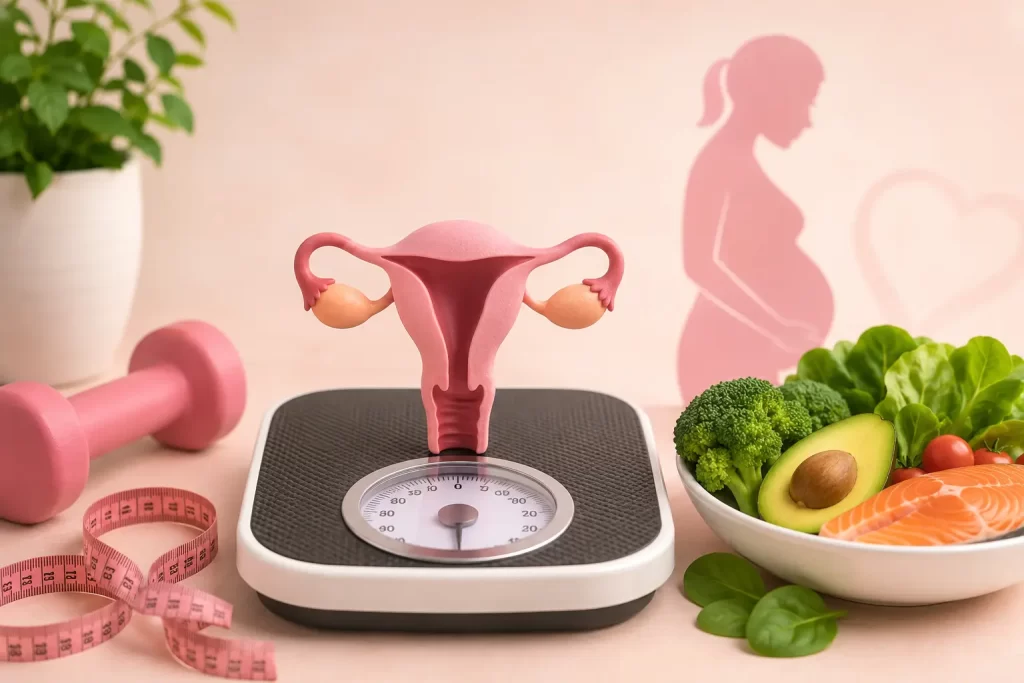
Fertility depends on the delicate balance of hormones, healthy reproductive organs, quality eggs and sperm, and proper implantation of embryos. Obesity can interfere with several of these biological processes simultaneously. Excess body fat acts like an endocrine organ, producing hormones and inflammatory chemicals that can disturb the body’s natural reproductive system.
These changes may affect:
- Ovulation
- Egg quality
- Hormone production
- Uterine lining
- Embryo implantation
- Pregnancy maintenance
- Sperm production
- Testosterone levels
This is why fertility specialists evaluate overall health, not just reproductive organs before beginning IVF.
Can Obesity Affect IVF Success Rates?
Yes. Scientific research consistently shows that obesity may reduce IVF success rates in several ways.
Women with obesity may experience:
- Lower ovarian response
- Higher medication requirements
- Fewer mature eggs
- Reduced embryo quality
- Lower implantation rates
- Increased miscarriage risk
- Higher pregnancy complications
However, the impact varies from person to person. Age, ovarian reserve, underlying fertility conditions, sperm quality, lifestyle habits, and metabolic health all contribute to IVF outcomes. This means obesity is one factor among many, not the only factor determining success.
How Obesity Affects Female Fertility
1. Hormonal Imbalance
Fat tissue produces estrogen. When excess fat accumulates, estrogen production increases, disrupting the communication between the brain and ovaries.
This hormonal imbalance may lead to:
- Irregular menstrual cycles
- Delayed ovulation
- Poor egg maturation
- Difficulty conceiving naturally
Even during IVF, hormonal imbalance can influence ovarian stimulation.
2. Reduced Egg Quality
Egg quality plays a major role in embryo development.
Research suggests obesity may negatively affect:
- Egg maturity
- Chromosomal health
- Cellular energy production
- Mitochondrial function
Lower-quality eggs reduce the likelihood of producing healthy embryos suitable for implantation.
3. Poor Ovarian Response
During IVF, fertility medications stimulate the ovaries to produce multiple eggs.
Women with obesity often require:
- Higher medication doses
- Longer stimulation periods
- More monitoring appointments
Despite increased medication, ovarian response may still be lower in some patients.
4. Implantation Challenges
Successful IVF does not end with embryo transfer. The embryo must attach to the uterine lining.
Obesity may affect:
- Endometrial receptivity
- Blood circulation to reproductive tissues
- Hormonal environment
- Inflammatory markers
These factors may reduce implantation potential.
5. Increased Miscarriage Risk
Several studies have reported a higher miscarriage risk among obese women.
Possible reasons include:
- Poor embryo quality
- Hormonal disturbances
- Inflammation
- Insulin resistance
- Placental abnormalities
Not every overweight woman experiences miscarriage, but the overall statistical risk is higher.
How Obesity Affects Male Fertility
Many couples assume fertility problems only involve women. In reality, male health contributes to nearly half of infertility cases.
Obesity in men may reduce fertility by affecting:
Lower Testosterone
Excess fat converts testosterone into estrogen. Reduced testosterone can impair sperm production.
Poor Sperm Quality
Studies have linked obesity with:
- Lower sperm count
- Reduced sperm motility
- Abnormal sperm shape
- Increased DNA fragmentation
Healthy sperm are essential for successful fertilization and embryo development.
Sexual Health Problems
Obesity increases the risk of:
- Erectile dysfunction
- Reduced libido
- Hormonal imbalance
These factors may also influence fertility outcomes.
Does Obesity Affect Embryo Quality?
Yes, indirectly. Embryos develop from healthy eggs and sperm. When either egg quality or sperm quality is compromised, embryo development may also suffer.
Possible effects include:
- Slower embryo growth
- Lower blastocyst formation
- Reduced implantation potential
- Increased chromosomal abnormalities
Modern IVF laboratories use advanced embryo grading systems, but biology still plays a major role.
Can Obesity Increase IVF Medication Requirements?
Yes. Many fertility specialists observe that obese patients often require:
- Higher hormone doses
- Additional monitoring
- Longer stimulation cycles
This may increase overall treatment costs.
However, treatment plans are individualized based on ovarian reserve, age, hormone levels, and ultrasound findings.
Pregnancy Risks Associated with Obesity
Even after successful IVF, obesity can increase pregnancy complications.
These include:
- Gestational diabetes
- High blood pressure
- Preeclampsia
- Preterm birth
- Cesarean delivery
- Sleep apnea
- Larger babies
- Delivery complications
Proper prenatal care significantly reduces many of these risks.
Can Losing Weight Improve IVF Success?
For many patients, yes. Even modest weight loss before IVF can improve reproductive health.
Research suggests that losing approximately 5–10% of body weight may improve:
- Ovulation
- Hormone balance
- Insulin sensitivity
- Egg quality
- Fertility medication response
- Pregnancy outcomes
Weight loss does not need to be extreme. The goal is improving metabolic health rather than achieving a perfect body size.
Healthy Ways to Prepare Before IVF
Instead of crash diets or unrealistic exercise routines, focus on sustainable lifestyle changes.
Follow a Balanced Diet
Include:
- Fresh vegetables
- Fruits
- Whole grains
- Lean proteins
- Healthy fats
- Dairy in moderation
- Plenty of water
Limit:
- Sugary beverages
- Processed foods
- Fried foods
- Excess refined carbohydrates
Stay Physically Active
Aim for at least 150 minutes of moderate exercise weekly.
Suitable activities include:
- Walking
- Swimming
- Cycling
- Yoga
- Light strength training
Consistency matters more than intensity.
Improve Sleep
Poor sleep affects reproductive hormones.
Aim for:
- 7–9 hours of quality sleep
- Regular sleep schedule
- Reduced screen time before bed
Manage Stress
Infertility itself is emotionally demanding.
Helpful stress-management techniques include:
- Meditation
- Deep breathing
- Counseling
- Support groups
- Mindfulness exercises
Quit Smoking and Limit Alcohol
Smoking damages egg quality and sperm quality. Excessive alcohol may also negatively affect fertility. Avoiding both can improve reproductive health.
Should You Delay IVF Until You Lose Weight?
There is no universal answer.
The decision depends on:
- Age
- Ovarian reserve
- Fertility diagnosis
- BMI
- Medical history
- Previous IVF attempts
- Time available
For younger patients, doctors may recommend improving weight before treatment. For women in their late thirties or forties, delaying treatment for significant weight loss may reduce fertility because egg quality naturally declines with age. This decision should always be individualized.
Myths About Obesity and IVF
Myth 1: Obese Women Cannot Get Pregnant
False. Many overweight women conceive naturally and through IVF.
Myth 2: IVF Never Works for Obese Patients
False. Success rates may be lower on average, but successful pregnancies occur every day.
Myth 3: Weight Is the Only Factor
False. Age remains one of the strongest predictors of IVF success.
Other important factors include:
- Egg quality
- Sperm quality
- Embryo quality
- Uterine health
- Lifestyle
- Medical conditions
Myth 4: Crash Diets Improve Fertility Quickly
False. Rapid weight loss can actually disrupt hormones. Healthy, gradual weight management is safer.
How Dream IVF Supports Patients with Weight-Related Fertility Challenges
Every fertility journey is unique. At Dream IVF, treatment plans are never based solely on BMI. Our fertility specialists perform a comprehensive assessment that considers hormonal health, ovarian reserve, reproductive history, sperm quality, ultrasound findings, and overall medical wellness before recommending a personalized IVF protocol.
Patients receive guidance on nutrition, lifestyle modifications, fertility optimization, and individualized treatment strategies designed to improve their chances of conception. Rather than focusing only on numbers on a scale, we focus on creating the healthiest possible environment for pregnancy.
Whether you are just beginning your fertility journey or have experienced previous IVF failures, our experienced team works closely with you to develop a treatment approach that aligns with your specific needs and reproductive goals.
Final Thoughts
So, can obesity affect IVF success rates? The evidence indicates that it can influence several stages of fertility treatment, from ovarian stimulation and egg quality to embryo implantation and pregnancy outcomes. However, obesity should not be viewed as the sole determinant of success. Age, reproductive health, embryo quality, sperm health, and individualized medical care all play equally important roles.
If you are considering IVF and have concerns about your weight, the best approach is to seek expert guidance rather than delaying treatment based on assumptions. A personalized evaluation can identify the factors that matter most for your situation and help you take meaningful steps to optimize your chances of conception.
At Dream IVF, our goal is to combine advanced fertility treatments with compassionate, evidence-based care. By addressing every aspect of your reproductive health including lifestyle, nutrition, and medical factors, we strive to give every couple the strongest possible opportunity to achieve a healthy pregnancy and build the family they have been dreaming of.
Frequently Asked Questions (FAQs)
Can obesity affect IVF success rates?
Yes. Obesity may reduce IVF success by affecting hormone balance, egg quality, implantation, and pregnancy outcomes. However, many patients with obesity still achieve successful pregnancies through individualized fertility treatment.
Does losing weight before IVF improve success?
For many individuals, even a modest weight loss of 5–10% may improve hormone balance, ovulation, medication response, and overall reproductive health.
Does obesity affect male fertility?
Yes. Obesity can lower testosterone levels, reduce sperm count, impair sperm motility, and increase DNA damage, all of which may impact IVF outcomes.
Will my doctor refuse IVF because of obesity?
Not necessarily. Every fertility clinic has different policies, and treatment decisions depend on your overall health, age, BMI, and medical history rather than weight alone.
Can I have a healthy pregnancy if I am overweight?
Yes. Many overweight women have healthy pregnancies. Proper prenatal care, medical supervision, balanced nutrition, and healthy lifestyle habits help reduce pregnancy-related risks.